
Why the French Love Their Local Bakery
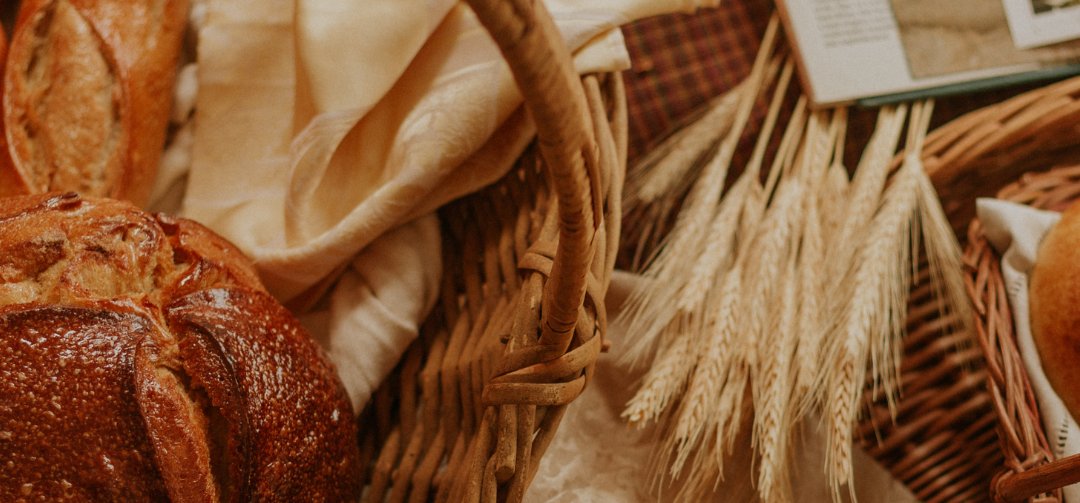
A visit to the local boulangerie is one of the simplest and most cherished rituals of everyday life in France.
For many French people, the local bakery is much more than somewhere to buy bread. It is part of the rhythm of daily life, a place where traditions, community and food culture come together.
For international buyers considering a move to France, understanding this small but important part of French life offers a glimpse into what makes living here so special.
More Than Just Bread
In France, bread is deeply embedded in everyday life.
A typical boulangerie might offer everything from a traditional baguette de tradition to croissants, pain au chocolat, brioche, tarts and beautifully prepared pastries.
And while supermarkets sell bread, many French people still prefer to visit their local bakery for fresh bread throughout the day.
There is something special about walking home with a warm baguette tucked under your arm.
The Daily Baguette Ritual
For many households, buying bread is part of a daily routine.
You might stop at the bakery on the way to work, after dropping the children at school or on your way home in the evening.
The baguette itself has become an iconic symbol of France. Indeed, in 2022, the baguette was officially added to UNESCO's Representative List of the Intangible Cultural Heritage of Humanity.
Its importance goes far beyond its ingredients. The baguette represents traditional knowledge, craftsmanship and a social practice shared across generations.
Your Local Baker Knows You
One of the charming aspects of village and neighbourhood life in France is the relationship people develop with their local businesses.
After visiting the same boulangerie regularly, your baker may recognise you, know your usual order and greet you by name.
These small interactions are part of the social fabric of French communities.
In smaller villages, the bakery can be one of the places where neighbours naturally meet and catch up on local news.
A Place for Community
The boulangerie is often at the heart of village life.
Alongside the café, market and local shop, it can be an important meeting point—particularly in smaller communities where local businesses play a central role.
On a Sunday morning, you may see people queuing for their baguettes and pastries, exchanging greetings and chatting with their neighbours.
It is a simple ritual, but one that creates a strong sense of community.
Why Freshness Matters
French bakery culture is also closely connected to the idea of buying fresh and buying locally.
Bread is often purchased for the day rather than for the week.
Pastries are enjoyed fresh from the oven, and seasonal ingredients feature heavily in many traditional French desserts.
This emphasis on freshness is one of the reasons that the local boulangerie remains such an important part of everyday life, despite the convenience of supermarkets and online shopping.
A Taste of French Lifestyle
For someone moving to France, the boulangerie represents something bigger than food.
It is about slowing down, shopping locally and becoming part of your community.
You may move to France because you fell in love with a château, a countryside farmhouse or a beautiful French town, but it is often these everyday experiences that make France truly feel like home.
A morning coffee and croissant, a walk to the bakery for a baguette, or chatting with your neighbours at the Saturday market can become some of the most memorable parts of French life.
Discover Life in France with Milieux Property
At Milieux Property, we believe that choosing a property is about more than finding the right house.
It is about finding the right lifestyle, community and region for you.
Whether you are searching for a village home, maison de maître, countryside property or château, we help international buyers discover the opportunities available across France.
Dreaming of a life in France?
Get in touch with Milieux Property to start your French property journey.
