
What Nobody Tells You About Sundays in France
From shuttered village shops to long lunches, quiet streets and the gentle art of doing nothing, Sunday in France is less about convenience and more about learning a different way to live.
There is a particular kind of quiet that settles over France on a Sunday.
In the countryside, church bells ring across fields and stone villages. In Paris, the morning begins slowly, with the smell of fresh bread drifting from a neighbourhood boulangerie. Along the Mediterranean coast, café terraces fill with locals lingering over coffee, while elsewhere, shutters remain closed and streets seem almost suspended in time.
For anyone visiting France, or dreaming of making it home, Sunday can come as something of a surprise.
The shops you expected to visit are closed. The village that felt so lively on Saturday afternoon is suddenly still. Lunch stretches far beyond the hour you had planned, and the idea of spending an entire day without accomplishing very much begins to feel rather appealing.
This is Sunday in France. And it reveals something important about the French way of life: not everything needs to be open, available or productive all the time.
1. The country really does slow down
One of the first things newcomers notice about France is how differently Sundays are treated.
In many countries, Sunday has become an extension of the working week, a final opportunity to run errands, shop for groceries or catch up on everything left unfinished. In France, the day often retains a distinctly different character.
Supermarkets may operate reduced hours or close altogether, independent boutiques are frequently shut, and many smaller businesses take the day off. In villages, the difference can be particularly noticeable. A high street that was bustling the previous afternoon may offer little more than a passing cyclist and the occasional dog walker.
Of course, France is not entirely closed on Sundays. Larger cities, tourist destinations, markets and certain shopping districts have their own rhythms, and some businesses remain open. But outside these areas, a little planning goes a long way.
For those accustomed to having everything within easy reach, this can initially feel inconvenient. Then, gradually, something shifts.
You stop expecting the day to revolve around your to-do list. You begin to appreciate the absence of noise, the slower pace of the morning and the simple pleasure of having nowhere in particular to be.
It is one of the small adjustments that can make living in France feel less like an extended holiday and more like a genuine change of lifestyle.
2. The boulangerie is still part of the ritual
If there is one Sunday tradition worth embracing, it is the morning trip to the bakery.
In many French towns and villages, the local boulangerie remains an important part of daily life. On Sunday mornings, people arrive for their baguettes, croissants and pains au chocolat, often exchanging a few words with the baker or a familiar face waiting in the queue.
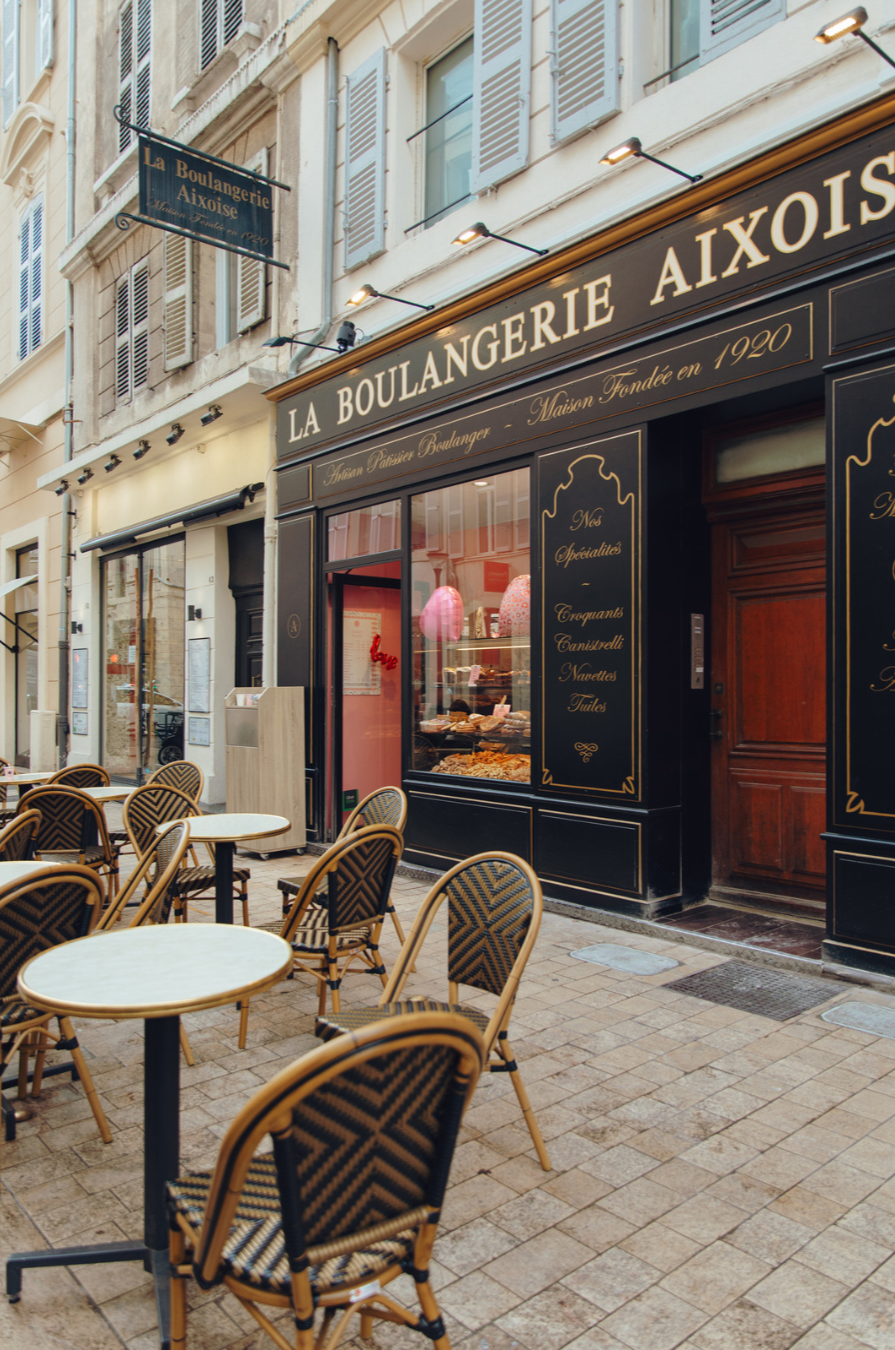
There is something wonderfully ordinary about it. No elaborate brunch reservation, no elaborate plan. Just a paper bag of warm pastries, a walk home and the promise of a leisurely breakfast.
However, do not assume every bakery opens. Opening hours vary considerably, particularly in smaller villages, where the local baker may take a weekly rest day. It is worth discovering which establishments open on Sunday morning and planning accordingly.
And if you happen to be staying in a traditional French property, whether a village house in Provence, a townhouse in Bordeaux or a farmhouse in the Dordogne, this small ritual can become one of the most enjoyable parts of the experience.
Breakfast is no longer something to fit in before the day begins. It becomes the beginning of the day itself.
3. Sunday lunch is not something to rush
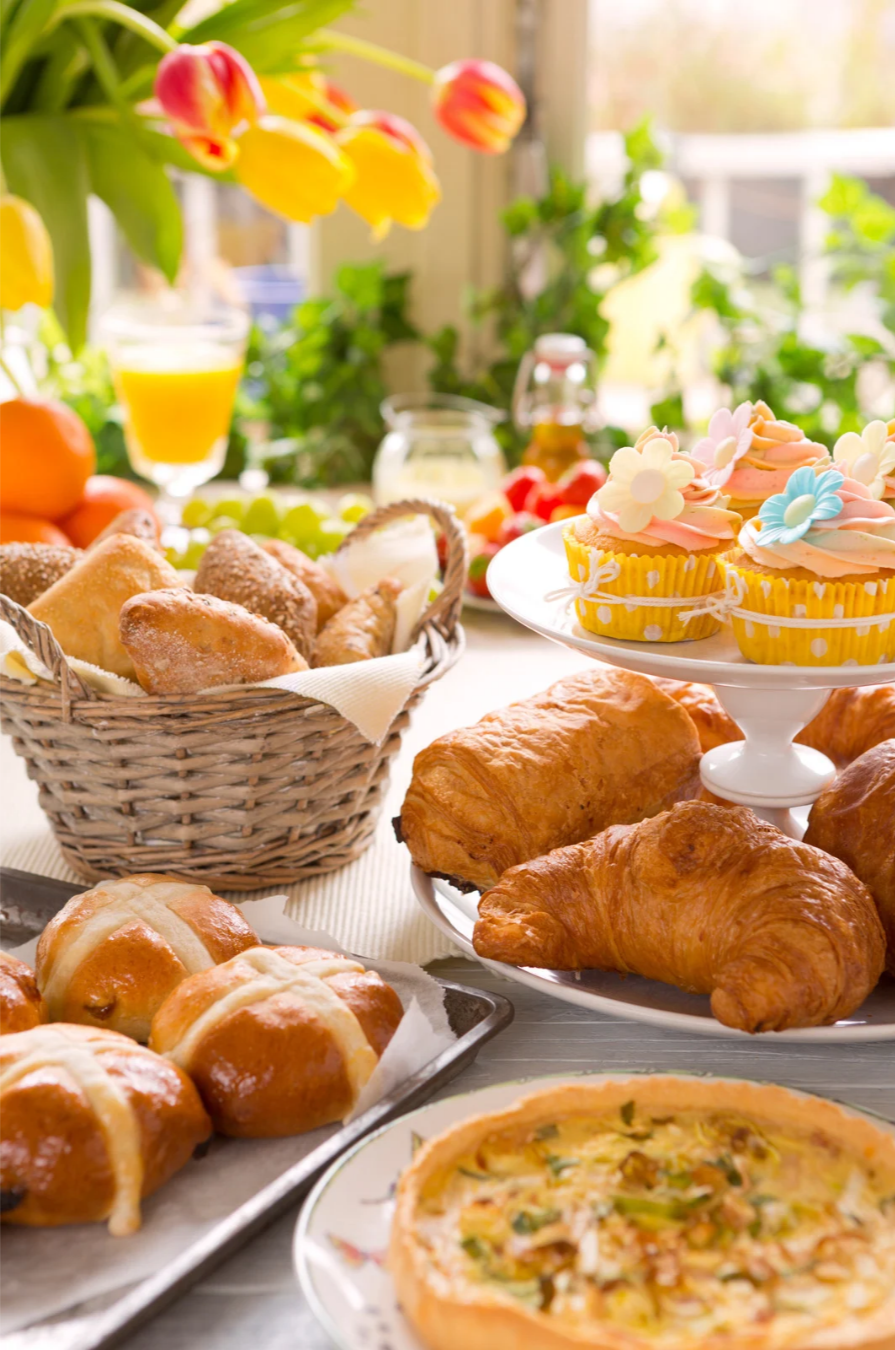
Perhaps the most revealing French Sunday tradition takes place around the dining table.
Lunch is often the centrepiece of the day, particularly when family and friends gather together. A meal might begin around midday and continue well into the afternoon, moving from an apéritif to a starter, a main course, cheese, dessert and coffee.
Nobody seems especially concerned about the time.
Conversations wander. Another bottle of wine may appear. Someone disappears into the kitchen, while someone else insists that you try just a little more of whatever has been prepared.
In many households, Sunday lunch is less about the food itself than the opportunity to be together without the pressure of a schedule. It is a moment of continuity, connecting generations and giving the week a familiar rhythm.
Of course, not every French household follows this tradition, and modern life has changed family routines considerably. Yet the idea of making time for a proper meal remains deeply associated with French living.
For those considering a move to France, it is worth remembering that the appeal of a home is often found in the moments it makes possible.
A large kitchen with a farmhouse table, a dining room opening onto a garden, or a shaded terrace beneath old trees can become the setting for countless Sunday afternoons.
The real luxury is not necessarily the size of the property. It is having somewhere people want to gather, and enough time to let lunch last.
4. Village life is quieter than you might imagine
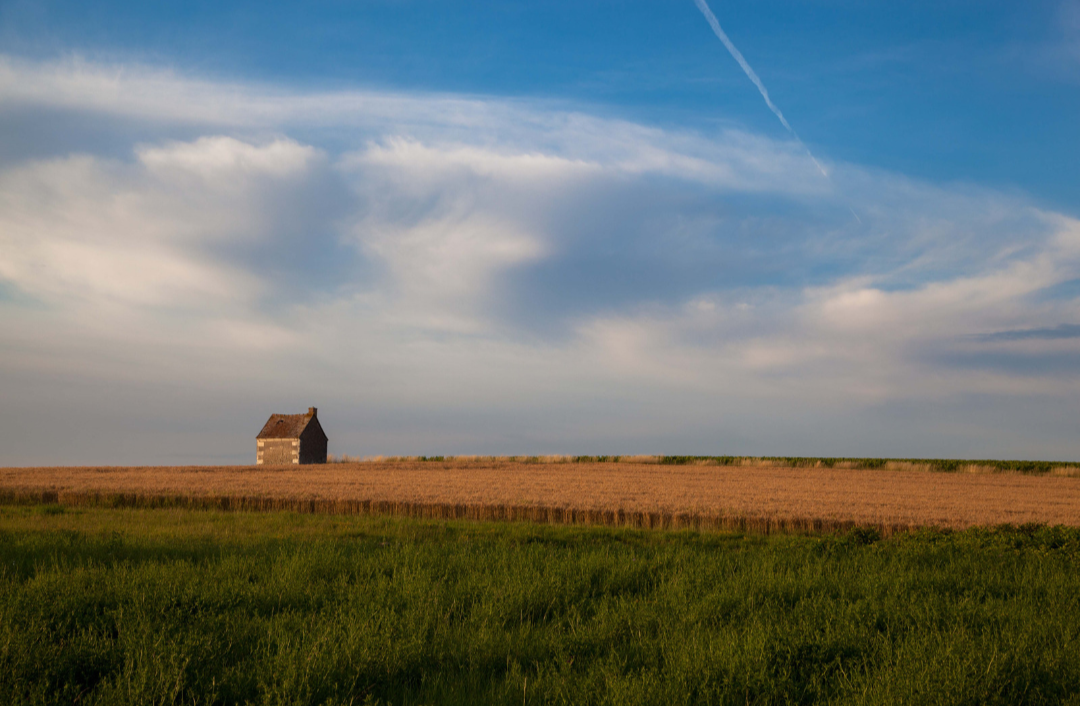
The France of postcards is often a place of lively markets, busy terraces and charming streets filled with people browsing antique shops.
But spend a Sunday in a small French village and you may discover a very different atmosphere.
The market has packed away its stalls. The florist is closed. The little shop selling local produce may not reopen until Monday, and the restaurant you had hoped to try might serve lunch only, or take Sunday evening as its weekly rest.
For international buyers imagining life in a French village, this is an important detail to understand.
A beautiful village can offer extraordinary quality of life, but that quality is not measured by how many businesses are open at any given moment. It is often found in the surrounding landscape, the familiar faces you encounter on a walk, the local café that becomes part of your routine and the feeling of belonging somewhere with a strong sense of place.
Equally, not all villages are alike. Some have thriving Sunday markets, popular restaurants and a steady flow of visitors. Others become wonderfully peaceful once the weekend crowds have left.
The question is not simply whether a village is charming. It is whether its particular rhythm suits the life you want to lead.
If you are considering buying a property in France, visit your preferred location on different days of the week. See it on a lively Saturday, a quiet Sunday and an ordinary weekday. Notice which services remain available, where people gather and how the atmosphere changes.
It is a simple way to understand what living there might actually feel like.
5. The best Sunday plans often involve no plans at all
There is a temptation, particularly when visiting France, to make the most of every day.
There are vineyards to explore, châteaux to visit, brocantes to browse and beautiful neighbouring villages just a short drive away. With so much to discover, an unplanned Sunday can feel like a missed opportunity.
But the longer you spend in France, the more you begin to understand the pleasure of leaving the diary empty.
Perhaps the morning begins with coffee on the terrace. Later, you walk into the village, buy something for lunch and return home by way of a country lane. The afternoon might involve a book, a garden that needs attention or a spontaneous invitation from neighbours.
In summer, the day might end with an apéritif outside. In winter, it could mean lighting the fire, opening a bottle of wine and watching the light fade over the countryside.
None of it is particularly extraordinary. That is precisely the point.
One of the attractions of owning a home in France is the possibility of creating a life that feels less hurried. A second home becomes more than somewhere to sleep between excursions; it becomes somewhere to settle in, establish routines and enjoy the simple pleasures of being there.
A Sunday spent doing very little can ultimately become one of the most memorable parts of a stay.
6. Not every region has the same Sunday rhythm
France is a country of remarkable regional differences, and Sundays are no exception.
In Paris, there are neighbourhoods where cafés, museums, food shops and selected boutiques keep the streets alive throughout the day. Certain districts feel almost as busy on Sunday as they do on Saturday, particularly in popular visitor areas.
In Provence, Sunday might mean a morning market, lunch beneath the plane trees and a long afternoon in the garden. In parts of the Dordogne or the Loire Valley, the pace may be quieter, with village life organised around local markets, family meals and the changing seasons.
On the Atlantic coast and in Brittany, a seaside walk, a visit to the harbour or a seafood lunch might define the day. In the mountains, Sunday can take on an entirely different character, shaped by the season, outdoor activities and the rhythm of resort life.
Even within the same region, the experience can vary between a major town, a year-round village and a destination that becomes particularly busy during the summer.
This is one reason choosing where to live in France requires more than falling in love with a beautiful property.
A house may be perfect on paper, but the surrounding lifestyle matters just as much. Do you want a lively town where you can walk to a café on Sunday morning? A coastal retreat with restaurants nearby? Or a secluded country home where the greatest pleasure is not seeing another person for several hours?
There is no universally better answer. There is only the answer that fits you.
7. Living in France means learning to plan a little differently
For all its charm, the French Sunday can occasionally be frustrating.
You may need to buy groceries on Saturday, check restaurant opening hours before setting out or accept that a simple errand will have to wait until Monday. In rural areas, where distances are greater and public transport may be limited, a little forward planning can make all the difference.
It is also worth checking local market days, seasonal opening hours and the weekly closing days of restaurants and independent shops. Tourist areas may offer more options during the high season, while quieter destinations can become noticeably more subdued outside it.
But these adjustments are rarely complicated once they become part of your routine.
You learn to keep a few essentials in the kitchen. You discover the bakery that opens early. You find the restaurant that serves an excellent Sunday lunch and the walking route that never disappoints.
Over time, what initially seemed like an inconvenience becomes part of the rhythm of living in France.
You begin to plan around the life you want to enjoy, rather than expecting life to accommodate every plan you make.
And that, perhaps, is one of the most valuable lessons the French Sunday has to offer.
A different idea of the good life
The truth about Sundays in France is that they are not always picturesque.
Sometimes it rains. Sometimes the shops are frustratingly closed. Sometimes you realise, too late, that you have forgotten something essential for dinner.
But there is also something quietly appealing about a country that still makes room for a slower day.
It is found in the smell of fresh bread, the sound of church bells, the clink of glasses over a long lunch and the late-afternoon light falling across an old stone terrace. It is found in the freedom to spend a day at home without feeling that you should be somewhere else.
For anyone dreaming of a life in France, these are the details worth paying attention to.
Because buying a home here is about far more than architecture, location or square metres. It is about the everyday life that unfolds around the property: where you buy your bread, how you spend your afternoons, whether you can walk to the village and what a quiet Sunday feels like in January, not just in August.
The French Sunday is a reminder that the best things about living in France are often the least spectacular.
And perhaps that is the real secret: the dream is not simply to own a beautiful home in France.
It is to have the time, the space and the freedom to enjoy it.
