
Loire Valley Châteaux: Why Buyers Love This Region
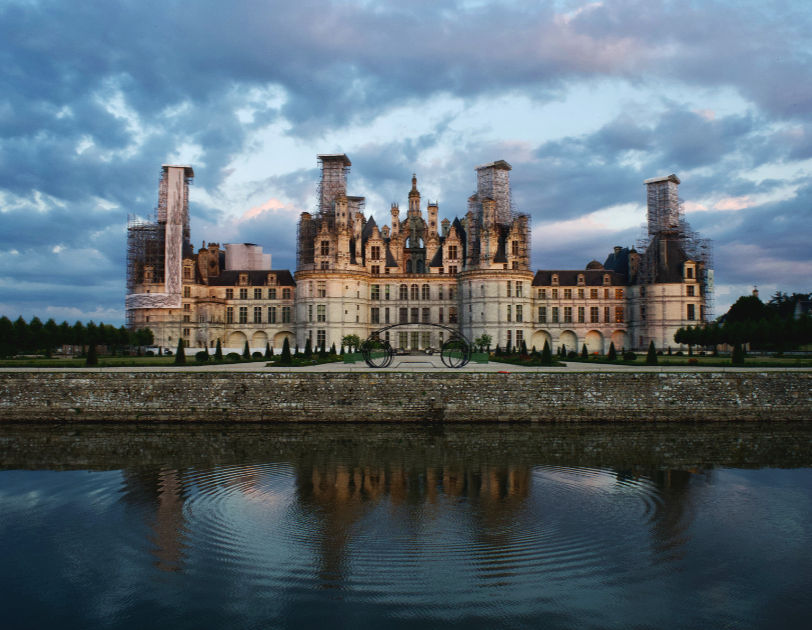
There are few places in France where history and everyday life seem to exist so naturally side by side.
Along the Loire River and across the surrounding countryside, magnificent châteaux rise above forests, gardens and vineyards.
Some are world-famous, while others remain quietly tucked away behind stone walls and tree-lined lanes.
For buyers looking for a château or country property in France, the Loire Valley has an enduring appeal.
But it is not simply the architecture that attracts them.
It is the combination of heritage, landscape, culture and a particularly French way of life.
A landscape shaped by history
The Loire Valley is often described as the “Garden of France”, and it is easy to understand why.
The region is characterised by rolling countryside, ancient forests, rivers, vineyards and beautifully maintained gardens. Historic towns and villages sit among agricultural land, creating a landscape that feels both cultivated and remarkably peaceful.
For centuries, the Loire was closely connected with the French royal court and aristocracy. Kings, queens and noble families built residences throughout the region, leaving behind an extraordinary collection of architectural treasures.
Today, that heritage remains one of the Loire Valley's greatest attractions.
More than beautiful châteaux
For many international buyers, the dream begins with the château itself.
Turrets, stone façades, formal gardens, grand staircases and historic reception rooms naturally capture the imagination.
But owning a château in the Loire Valley is about much more than owning an impressive building.
The surrounding land can be equally important: wooded parks, avenues of mature trees, meadows, orchards, swimming pools and sometimes vineyards or equestrian facilities.
It is this relationship between the house and its landscape that gives many Loire properties their particular sense of place.
A region made for living
One of the reasons buyers are drawn to the Loire Valley is that it offers a lifestyle that feels genuinely connected to the French countryside.
Mornings can begin with a visit to the local market. Lunch might be enjoyed in a village restaurant, followed by an afternoon exploring a nearby château or cycling through the countryside.
There are vineyards to discover, riverside walks, historic towns to explore and gardens that change with the seasons.
The pace is often slower, without feeling isolated.
For international buyers, this balance can be particularly appealing: the opportunity to own a historic property while still having access to restaurants, shops, cultural life and well-connected towns.
A rich cultural heritage
The Loire Valley is one of France's great cultural landscapes.
Its châteaux are perhaps the most visible expression of that heritage, but they form only part of the story.
Renaissance architecture, medieval towns, historic abbeys, local crafts, traditional markets and renowned gardens all contribute to the identity of the region.
The area is also closely associated with French gastronomy and wine, with vineyards producing a diverse range of wines from white and sparkling to red and rosé.
For those considering a permanent move or a second home, this cultural richness means there is always something new to discover.
The appeal for international buyers
The Loire Valley has a particular advantage for buyers who want the romance of château life without necessarily feeling completely removed from the rest of France.
Its location makes it possible to enjoy the countryside while remaining within reasonable reach of major cities and transport connections.
Paris can be reached relatively easily from several parts of the region, while Tours and other regional centres provide everyday amenities, restaurants, schools and services.
This accessibility matters.
A beautiful château may be the starting point of a search, but for most buyers, the surrounding lifestyle is what ultimately determines whether a property feels like home.
A château for every vision
Another reason the Loire Valley attracts buyers is the diversity of properties available.
Some châteaux are intimate and relatively easy to maintain. Others are substantial estates with extensive grounds, numerous outbuildings and significant historical features.
There are manor houses, longères, country estates and former hunting residences, as well as grand Renaissance and nineteenth-century châteaux.
This diversity means that buyers can search for a property that reflects not only their budget, but also the way they intend to live.
For some, it may be a private family home.
For others, the property may become a second home, a hospitality project, a wedding venue or a combination of private and commercial use.
The importance of the surrounding community
As with any property purchase in France, the château itself is only part of the decision.
The nearest village, local market, restaurants, schools and services all contribute to the experience of living in the region.
This is where spending time in the area becomes invaluable.
Visit the market. Have lunch in the village. Drive through the surrounding countryside. Return at a different time of year.
The photographs may tell you what a château looks like.
The landscape and the local community can tell you what it might feel like to live there.
A different kind of French dream
The Loire Valley offers something particularly special to those searching for a property in France.
It combines the romance of historic château living with the pleasures of everyday French life.
Here, centuries-old architecture does not simply belong to the past. It forms part of a living landscape of villages, vineyards, gardens, markets and communities.
Perhaps that is why buyers continue to be drawn to the region.
They are not simply looking for a château.
They are looking for a place where history, countryside and a way of life can become part of their own story.
Discovering the Loire Valley
Finding the right château often begins long before the viewing.
It begins by discovering the region itself — its villages, landscapes, markets, vineyards and the rhythm of everyday life.
Because when buying a historic property in France, the question is not only “Could I own this château?”
It is also: “Could I see myself living here?”
For many buyers, the Loire Valley provides a very compelling answer.
